
Pitru Dosha is an important concept in Vedic astrology, linked with ancestral karma and obligations toward one’s forefathers (Pitru). According to ancient scriptures, humans are born with three main debts: Deva Rin (debt to gods), Rishi Rin (debt to sages), and Pitru Rin (debt to ancestors). When Pitru Rin remains unpaid or ancestors are dissatisfied, it may manifest as Pitru Dosha in the birth chart.
Pitru Dosha does not indicate punishment, but rather a reminder to honor, remember, and spiritually support one’s lineage. Understanding its causes, effects, and remedies helps restore balance and harmony in life.
Causes of Pitru Dosha
Pitru Dosha can arise due to actions performed knowingly or unknowingly by ancestors or the native in past lives. Common causes include:
- Unfulfilled ancestral rituals
If proper funeral rites (Antyeshti Sanskar), Shraddha, or Pind Daan were not performed, ancestral souls may remain unsettled. - Disrespect toward parents or elders
Dishonor, neglect, or emotional harm caused to parents and elders can lead to Pitru Dosha. - Ancestral karmic deeds
Wrong actions such as injustice, exploitation, or harm done by ancestors can reflect in descendants’ horoscopes. - Planetary combinations in the birth chart
Pitru Dosha is commonly formed when:- Sun or Moon is afflicted by Rahu or Ketu
- Rahu or Ketu is placed in the 9th house (house of ancestors)
- Sun is weak or afflicted in the horoscope
- Unfulfilled ancestral desires
Sudden or unnatural deaths in the family line may leave desires incomplete, creating karmic imprints.
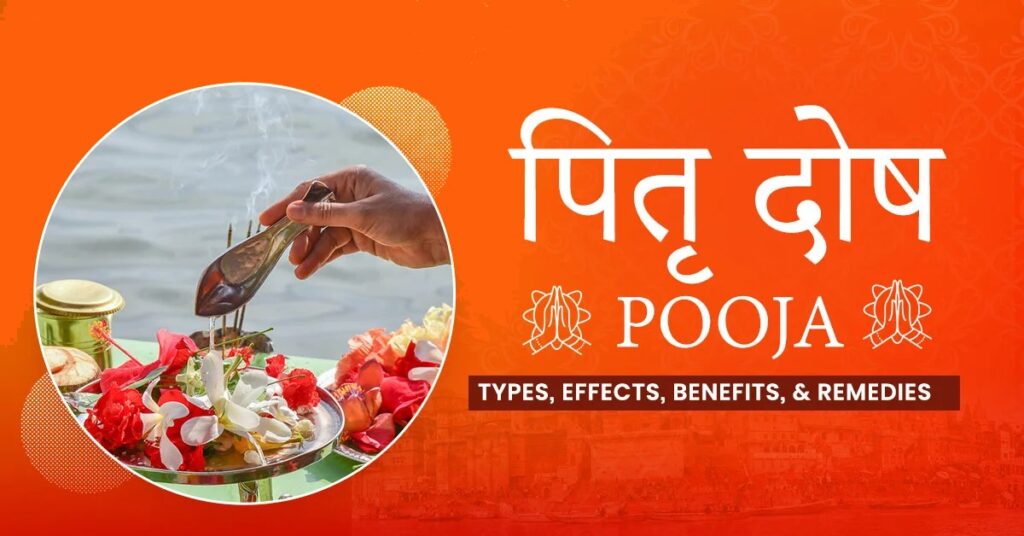
Astrological Significance of Pitru Dosha
In Vedic astrology, the 9th house represents ancestors, father, dharma, and blessings. Afflictions to this house or its lord often indicate Pitru Dosha. The Sun signifies father and lineage, while Rahu represents karmic imbalance. When these planets interact negatively, ancestral issues may surface.
Pitru Dosha is not permanent. Its intensity varies depending on planetary strength, house placement, and overall chart balance.
Effects of Pitru Dosha
The impact of Pitru Dosha differs from person to person, but common effects include:
- Obstacles in career and finances
Despite hard work, progress may be slow, with repeated setbacks or instability. - Marriage and relationship delays
Problems in finding a suitable partner, repeated engagement breakages, or marital disharmony. - Health concerns
Chronic or unexplained health issues, especially recurring within the family. - Childbirth-related difficulties
Delay in conceiving or concerns related to children’s health and well-being. - Mental stress and dissatisfaction
Constant worry, lack of peace, and a feeling that efforts do not yield results. - Family disputes
Conflicts within the family, property issues, or separation among relatives.
It is important to note that Pitru Dosha does not guarantee misfortune. Awareness and corrective measures can greatly reduce its effects.
Powerful Remedies for Pitru Dosha 🙏
Vedic astrology emphasizes karma correction, devotion, and gratitude rather than fear. Some effective remedies include:
1. Shraddha and Pind Daan
Performing Shraddha rituals during Pitru Paksha is one of the most powerful remedies. Offering Pind Daan with devotion helps provide peace to ancestors.
2. Tarpan (Water Offering)
Regularly offering water mixed with black sesame seeds while remembering ancestors is believed to satisfy Pitru souls.
3. Feeding the Needy
Donating food to the poor, elderly, or priests in the name of ancestors helps balance karmic debts.
4. Respect and Service to Parents
Serving parents, seeking their blessings, and caring for elders is a living remedy for Pitru Dosha.
5. Mantra Chanting
Chanting mantras with devotion brings peace and positive energy. Commonly recommended mantras include:
- Pitru Gayatri Mantra
- Mahamrityunjaya Mantra (with guidance)
6. Charity and Donations
Donating items like food grains, clothes, cow fodder, or utensils on Amavasya (new moon) days is beneficial.
7. Worship of Lord Vishnu
Lord Vishnu is considered the protector of ancestors. Regular prayers, Vishnu Sahasranama chanting, or offering tulsi leaves is auspicious.
8. Planting and Caring for Trees
Planting Peepal, Banyan, or fruit-bearing trees and nurturing them is believed to bring ancestral blessings.
Pitru Paksha: The Sacred Period
Pitru Paksha is a 16-day lunar period dedicated to ancestors. Performing rituals, prayers, and charity during this time is especially powerful. Even simple acts done with sincerity during Pitru Paksha are believed to yield strong positive results.
Misconceptions About Pitru Dosha
- Pitru Dosha does not mean ancestors are angry.
- It does not guarantee lifelong suffering.
- It can be reduced or neutralized through devotion, good deeds, and right conduct.
Vedic astrology views Pitru Dosha as a path toward healing ancestral karma, not as a curse.
Conclusion
Pitru Dosha in Vedic Astrology highlights the deep connection between generations. It reminds us that honoring our roots brings strength, blessings, and balance. Through respectful remembrance, spiritual practices, and righteous living, one can transform ancestral challenges into sources of guidance and growth. Best Astrologer in USA offers expert Vedic astrology, personalized horoscope readings, life guidance, and remedies for career, relationships, and health. Highly trusted for accurate predictions, deep insights, and supportive consultations for spiritual and personal growth. Solve Your Love Problems by Vedic Astrology through personalized horoscope analysis, planetary remedies, mantra chanting, compatibility guidance, and spiritual solutions to strengthen relationships, resolve conflicts, attract true love, and restore lasting happiness.
When addressed with faith and sincerity, Pitru Dosha often becomes a gateway to ancestral blessings, peace of mind, and long-term prosperity. 🙏