
Astrology and Mental Health explores traditional astrological perspectives on emotions, self-reflection, stress, and personal well-being. Panchmukhi Jyotish offers spiritual guidance while encouraging professional mental-health support when needed. Astrology has long been used as a tool for self-reflection, understanding personality traits, and gaining insights into life’s challenges. In the context of mental health, astrology can offer a unique, albeit non-clinical, perspective. While it is not a substitute for professional mental health care, many people find value in using astrology as a complementary tool for understanding their emotional and psychological well-being.
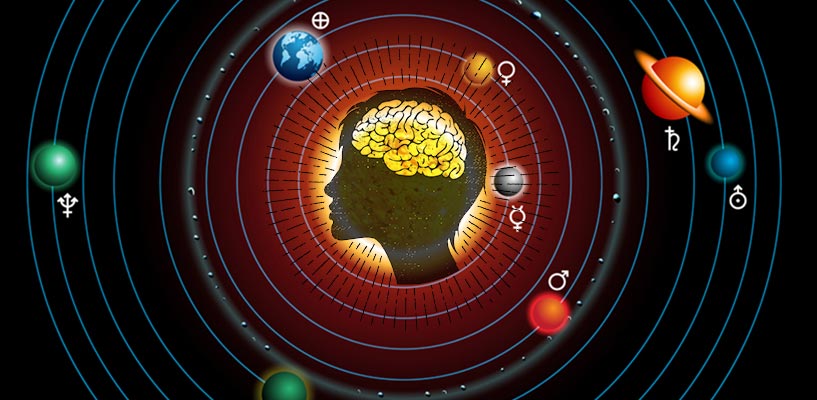
How Astrology Relates to Mental Health:
- Self-Awareness and Reflection:
- Astrology helps individuals explore their personality traits, emotions, and thought patterns based on their natal chart.
- Understanding planetary influences, such as the Moon’s role in emotions or Mercury’s connection to communication, can provide insight into emotional triggers and coping mechanisms.
- Identifying Strengths and Challenges:
- Natal charts highlight areas of strength and potential challenges. For example:
- A strong Moon placement may indicate emotional stability.
- Challenging aspects between Saturn and the Moon might suggest tendencies toward self-doubt or anxiety.
- Recognizing these patterns can encourage individuals to address their challenges constructively.
- Natal charts highlight areas of strength and potential challenges. For example:
- Periods of Emotional Flux:
- Transits and progressions (current planetary movements relative to the natal chart) can signify periods of emotional upheaval or growth.
- For example, a Saturn return (around ages 28–30 and 58–60) often prompts significant life changes and introspection, which can impact mental health.
- Tools for Emotional Regulation:
- Astrology offers tools for managing stress and emotions, such as understanding favorable planetary periods or using astrological insights to plan significant life events.
- Techniques like journaling during challenging planetary transits or meditating on specific archetypes (e.g., the nurturing Moon or the disciplined Saturn) can promote emotional balance.
- Validation and Support:
- Astrology can validate feelings and experiences, making individuals feel understood and less alone in their struggles.
- It can also help identify supportive elements in one’s chart, such as aspects that indicate resilience or optimism.
- Mind-Body Connection:
- Medical astrology associates zodiac signs and planets with various body parts and health concerns.
- While not scientifically validated, some use these associations as a framework for understanding stress or physical manifestations of emotional states.
Limitations and Cautions:
- Not a Substitute for Professional Help: Astrology should not replace therapy, counseling, or medical treatment for mental health conditions. It is a tool for reflection, not diagnosis or cure.
- Avoiding Determinism: While astrology may suggest tendencies, it does not dictate fate. Believing in rigid outcomes can increase anxiety rather than alleviate it.
- Personal Interpretation: The subjective nature of astrology means that its interpretations can vary. Professional astrologers can provide guidance, but personal discernment is crucial.
Practical Applications:
- Using Astrology for Mental Health Support:
- Track your emotional patterns through lunar cycles to understand mood fluctuations.
- Explore your natal Moon sign for insights into emotional needs and nurturing habits.
- Use planetary retrogrades (e.g., Mercury retrograde) as opportunities for introspection and realignment.
- Seeking Professional Guidance: Work with both an experienced astrologer and a licensed mental health professional
- If you’re seeking Jyotish in Ahmedabad with a focus on mental health and emotional well-being, several reputable astrologers offer personalized consultations that integrate astrological insights with holistic remedies. Here are some notable practitioners:
What Happens During an Astrology Reading? An astrologer analyzes your birth chart, planetary positions, and life patterns to provide insights, guidance, remedies, and predictions for relationships, career, health, and future. Astrology and Mental Health explores traditional astrological perspectives on emotions, self-reflection, stress, and personal well-being. Panchmukhi Jyotish offers spiritual guidance while encouraging professional mental-health support when needed.